| |||||||||||||||
| |||||||||||||||
| FNF: TIMELINE: Ancient Greece (HELLAS) 500BC => 0BC http://www.hi.is/~joner/eaps/tl_hella.htm 2001-04-08 |
| -700 |
Uppruni heimspekinnar (GO) Thales frá Miletus TH2 (626 f.k. - ) PIC MAP |
-700 | ||||||
| -600 |
Pythagoras PY2 (569-475) Heraclitus HE2 (525-475) |
-600 | ||||||
| -500 |
|
Socrates (470-399) (71 ár) Plato PL2 (ca 427-347) (80 ár) |
-500 | |||||
| -400 |
|
Akademía
Platós
Aristóteles
(LJ)
AR2 AR3 AR4
AR5 (384-322) (38
ár!)
(387 f.k.- ) A2 Euclid ECL2 (325-) ECLE Alexander the Great (356-323 BC) |
-400 | |||||
| -300 |
|
Archimedes
(287-212) (75
ár)
|
-300 | |||||
| -200 | -200 | |||||||
| -100 | . | -100 | ||||||
| 0 | 0 | |||||||
| 100 | . | 100 | ||||||
| 200 | 200 | |||||||
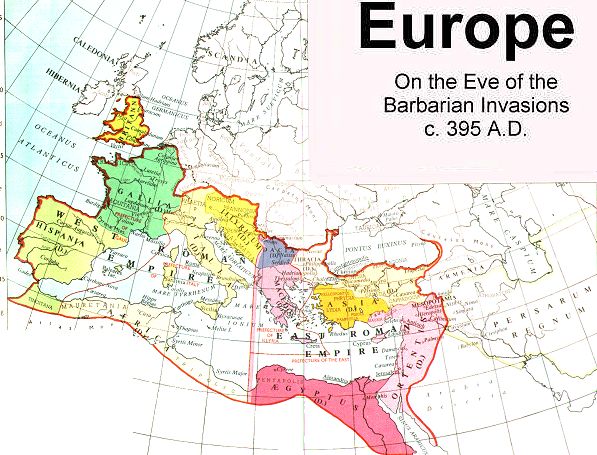
| 300 | Innrás germana/barbara (395) |
300 | ||||||
| 400 | Boethius (470-525) |
400 | ||||||
| 500 | Akademíu
Platós lokað (526) (-387-526 =913 ár) |
500 | ||||||
| 600 | Tyrkir taka Alexandríu (642) |
0 | ||||||
| 700 | Tyrkir taka Spán (711) | 700 | ||||||
| 800 | Reconquista RQ2 RQ3 | 800 | ||||||
| 900 | Avicenna (980-1037) Víkingar ráðast á Suður Engalnd (991) |
900 | ||||||
| 1000 | Fyrstu
háskólarnir FH2
Anselm
AN2
(1033-1109) Skólastík
miðalda L2 SM2
RQ-TOLEDO
(1085) Bolognaháskóli (1088?-) Abelard AB2 (1079-1142) Ibn Rushd (1126 - 1198) |
1000 | ||||||
| 1100 | Bolognaháskóli
Averroes
(1126-1198) (Constitutio Habita) Grosseteste (1168-1253) Oxfordháskóli |
1100 | ||||||
| 1200 | Parísarháskóli
(ca.1200- ) Aquians
AQ2
(1225-1274) Roger
Bacon RB2
(1214-1294) Magna Carta
(1215) Padúaháskóli Albertus Magnus (1206-1280) Duns Scotus (1266 - 1308) |
1200 | ||||||
| 1300 |
Endurreisnin -
1. tímabil E1-2
(1300-1375) Svarti dauði
(1347-) New College Oxford (1379-) Ockham (-1347) Endurreisnin - 2. tímabil (1375- Miletus) Húmanisminn |
1300 | ||||||
| 1400 | Copernicus (1473-1543) Machiavelli (1469-1527) Erasmus (1466-1536) Leonardo Da Vinci (1452-1519) Luther (1483-1546) |
1400 | ||||||
| 1500 | Endurreisnartíminn
Francis Bacon
BA2
1516-1626 (LJ)
Galileo GA2 (1564-1642) Kepler (1571-1630) Bruno (ca 1548-1600), |
1500 | ||||||
| 1600 |
Descartes
DE2
(1596-1650) Pascal
(1623-1662)
Mayflower
(1620) Newton NW2 NW3 (1643-1727) Leibnitz (1646-1716) |
1600 | ||||||
| 1700 | Berlínarháskóli (1810-)
British
Empiricism EM2 Diedrot
(1713-1784) Volt
VO2
(1694-1778) Rousseau
(1712-1778) Adam
Smith (1723-1790)
Encylopedists (1751-1757) Humboldt HB2 (1767-1835) DOI (1776) Franska byltingin (1792) |
1700 | ||||||
| 1800 | Newman
(1850)
John S Mill
(1806-1873) Comte
(1798-1857) Mach
(1838 - 1916)
John Dewey (1859-1952) Russell (1872-1970) Whitehead (1861-1947) Peirce (1839-1914) Witt (1889-1952) |
1800 | ||||||
| 1900 | Logical Positivism Vienna Circle Popper PO2 (1902-1994) | 1900 | ||||||
| 2000 | Háskólar -
framtíðin? wh_futy WWW |
2000 |
| Háskólar - framtíðin? wh_futy FI22 |
| WWW TBL HI UN GOO GN AB GBR W3C OASIS SEM IETF NBT WS 1985 RDF MUP LK OHT OS HI VBUSH VARIAN INNO OSO FIND |
| FIND Finding Information =fi* FI22 SJ 2020 GO LHI LJ EM SECO EDIG UK HES PIC MAP AZ LJ LEIT CB IR GO PIC NEWS LHI IE VIZ |
| . |
|
"It is said that those who do not learn from history are doomed to repeat it." Sjá nánar |
Timelines:
http://www.creativeye.com/millennium/
http://www.darkness.org.uk/timeline.htm
http://www.creativeye.com/millennium/1300s.html
| "4. Bologna University: Past and
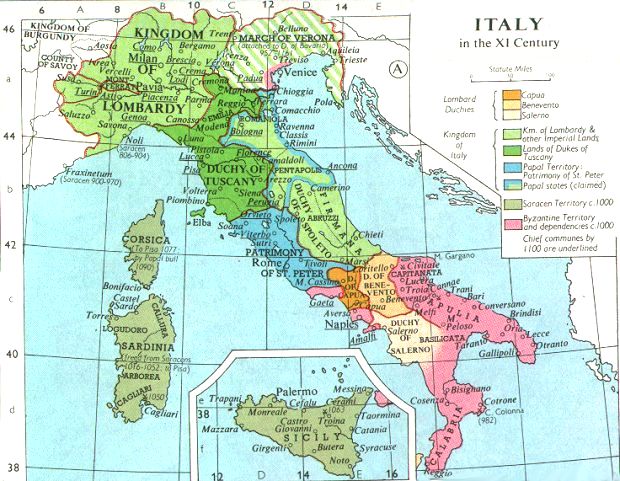
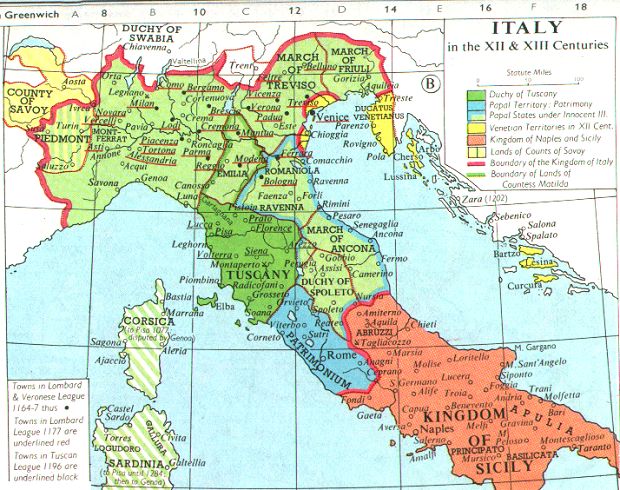
Present The past .- The Studium of Bologna is the oldest in the Western world. Although traditions vary and early documents are unreliable, 1088 may be accepted as a conventional date to indicate when teaching became free and independent of ecclesiastical schools in Bologna. The University of Bologna was formed between the XI and XV centuries mainly around the study of the Roman Law as laid down in the Justinian Code. Thanks to the work of Irnerius, who initiated the systematic study of the Corpus juris , of Gratian, to whom we owe the first complete compilation of canon law, and of the glossators and canonists who continued the work of the Digestum and the Decretum , the University of Bologna became famous throughout Europe. In 1158 Frederick I Barbarossa issued a Constitutio Habita which established that every school of learning should constitute a societas of socii (pupils), presided over by a dominus (master) who was to be paid with sums of money granted to him by the students. The Emperor pledged to protect all those scholars who wished to travel for their studies from any interference on the part of the political authorities. This was an important e vent in the history of European universities: by law the University became the place where research could be carried out, independent of any other power. In 1176 the Italian communes faced Frederick Barbarossa in pitched battle at Legnano and defeated him. The University, however, survived the collapse of its protector. The communes tried to favour the societas and Bologna University teachers were asked to swear that they would not teach outside the walls of the city. Their tenure was secure, on condition that they limit themselves to teaching exclusively in Bologna. This shows that Bologna, even then, and perha ps earlier, had become the goal of many students from all over Europe, drawn by the fame of its teachers. The most important secession occurred in 1222, and resulted in the setting up of a university in Padua which was eventually to become, like Bologna, one of most important places of learning in Italy." Ref: http://socrates.giuri.unibo.it/A/X0004_A004.html |
http://aleph0.clarku.edu/~djoyce/mathhist/euclid.html
IEP: http://www.utm.edu/research/iep/
Myndir http://scistud.umkc.edu/images/
|
MOHAMMED
c.570 -
632
Prophet
Mohammed was the founder and Prophet of
Islam and of a political unit at Medina that developed into the Arab
empire,
or Caliphate.
In 610 Mohammed had a vision in which he was taken on
a journey to Jerusalem and thence through the heavens to
Allah and instructed
in his mission. In Mecca, he began to preach the omnipotence of Allah, the
impending day of judgment, and the
necessity of complete obedience to Allah's
will. He summed up hismessage under the name of Islam, that
is
'submission to Allah'. The new Prophet was at first rejected by the people
of Mecca and he
had to flee to Medina. This event, the 'Hegira' marks the
beginning of the Islamic calendar
(622). Eventually Mohammed returned to
Mecca and then went on
to unite all of Arabia under the banner of
Islam.
The father of the Islamic faith is Mohammed,
(born in 570 AD died in 632 AD at 62) in Mecca.
At the age of 40,
(610 AD), claimed he was visited by Gabriel.
Through military
activity and political negotiation, Mohammed became the most powerful leader in
Arabia. Islam was firmly established in the area.
The tribal
leaders of Mecca and their allies resorted to force to eliminate the Muslims.
Several battles ensued. The conflicts ended when Mohammed
entered the city
with 4 armies.
Arabia united under Islam before Mohammed died in
632 AD.
Spánn 711
Re-spán Reconquista
http://www.humanities.ccny.cuny.edu/history/reader/reconquista.htm
Á
13 öld - beint úr grísku (Býsansska ríkið) - Konst 1453
Evklíð http://tlc.ai.org/euclid.htm
| |
Visindaleg
aðferðafræði (Kynnning) NS:
2002-10-30
NS: VÍSINDALEG AÐFERÐAFRÆÐI - STUTT KYNNING
2002-10-30
http://www.hi.is/~joner/eaps/y3_28819.htm
LESA http://www.wikipedia.org/wiki/Scientific_method
(Líkleg skyldulesning)
Heimspeki hugmynda- og vísindasaga
http://www.hi.is/~joner/eaps/wh_un45.htm
FNF: FALLIBILISM: ALL KNOWLEDGE IS IMPERFECT AND
PROVISIONAL 2001-05-04
http://www.hi.is/~joner/eaps/y3_26146.htm